Before Public Libraries, Who Got to Borrow Books?
Before public libraries, access to books depended on wealth, status, education or membership. Explore how borrowing changed over time.
Before public libraries, access to books depended on wealth, status, education or membership. Explore how borrowing changed over time.
Faced with the unreliability of printed mathematical tables in the 19th century, Charles Babbage conceived the idea of making mathematical calculations simpler and more automatic. The Difference Engine of the 1820s was his first invention, followed by a more advanced one, the Analytical Engine. The former was an automatic mechanical calculator designed to use the … Read more
The mid-19th century was a period of unprecedented engineering ambition. Bankers, mathematicians, astronomers, engineers, and everyone needing mathematical calculations relied on printed numerical tables. Making these tables was tedious: manual calculation, copying, checking, and typesetting all required close attention. Besides, every stage of the production presented clerical errors that could pass from calculation to copying … Read more
Today, arsenic is a known toxin that can cause symptoms such as nausea, vomiting, headaches, and muscle cramps from acute exposure. With long-term exposure, it can lead to persistent tiredness, numbness and tingling in the hands and feet, certain types of cancer, and cardiovascular disease. Despite what’s known now, back in the day, arsenic was … Read more
In 1931, as the Great Depression tightened its grip on America, families across the country were struggling to put food on their tables. Jobs were disappearing, businesses were closing, and savings that had taken years to accumulate were vanishing. For many families, even buying enough food to get through the week had become a challenge. … Read more
In 1880, subscribers could sign up to receive time from a hotel in Paris. The hotel had pipes running into it, and every minute a burst of compressed air would cause clock hands to move. This applied to banks, theaters and clocks along the boulevards. In July 1880, the journal Nature noted that subscribers could … Read more
In London 1897, if you were running late and wanted to get somewhere, you could either take your usual horse-drawn cab or hail a yellow and black carriage. This was known as the Hummingbird, and had a battery which could travel about 30 miles. However, if you were in a real rush it was often … Read more
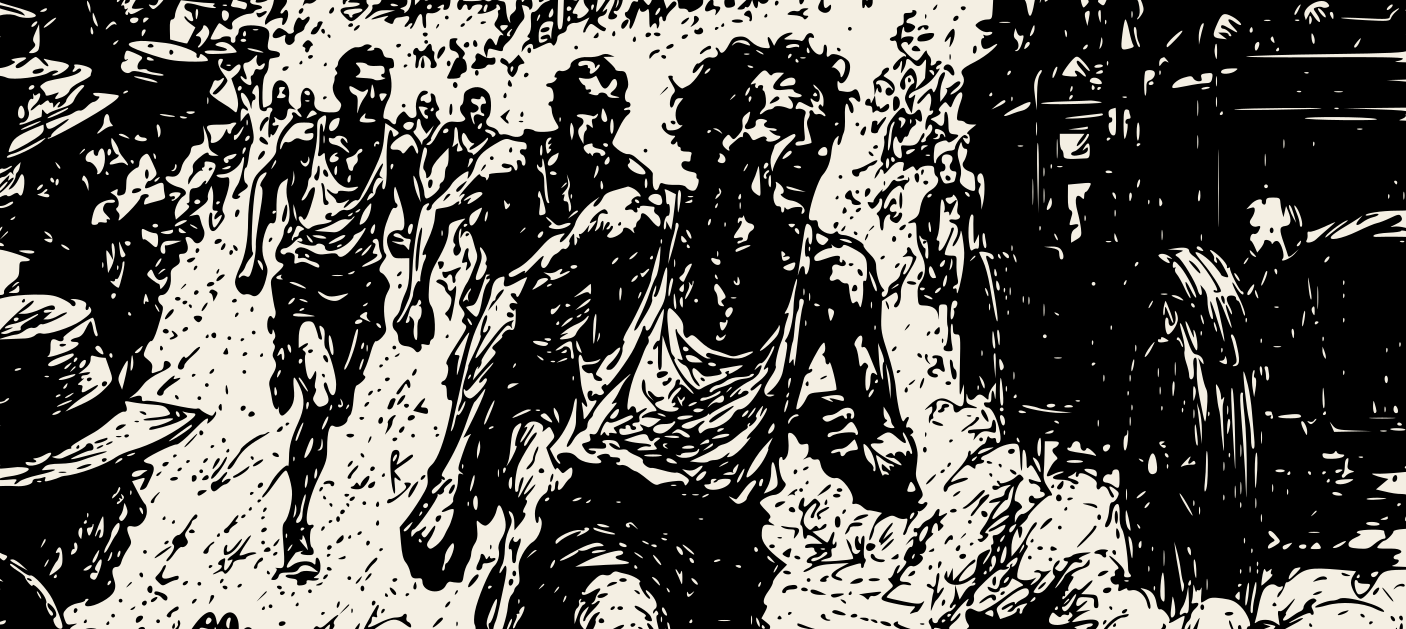
The 1904 Olympic Marathon in St. Louis was less of a prestigious athletic competition and more of a chaotic survival experiment. Held on a sweltering 90 degree afternoon in late August, the race remains one of the most bizarre and poorly executed sporting events in modern history. Instead of a smooth track, the 32 competitors … Read more
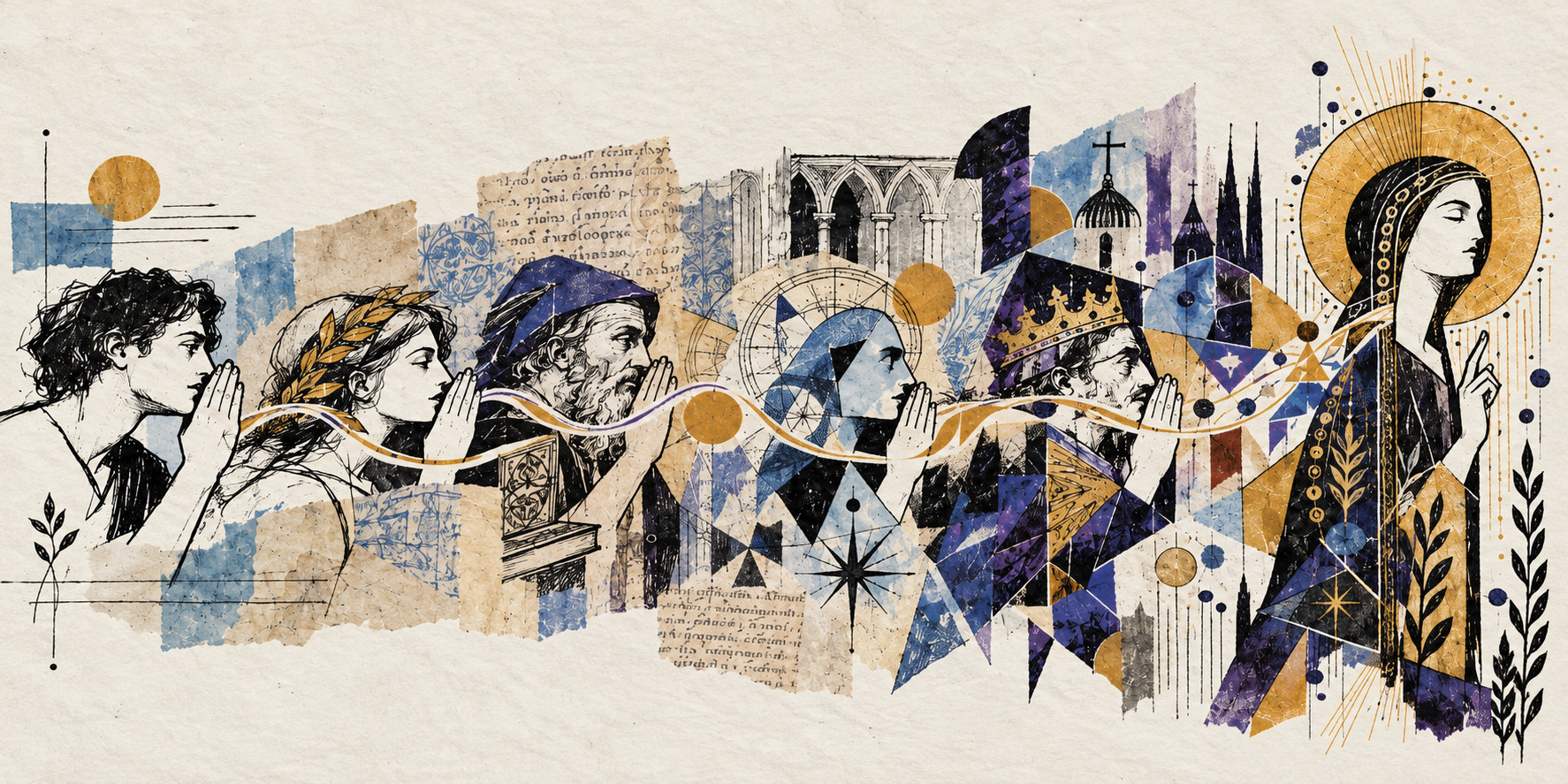
When we look at images and styles of art that have been preserved from history, we see the styles change but generally not the artwork of a particular individual who initially brought forth the new style. To some degree, I suspect this is because prior to inventions such as the printing press, it is extremely … Read more
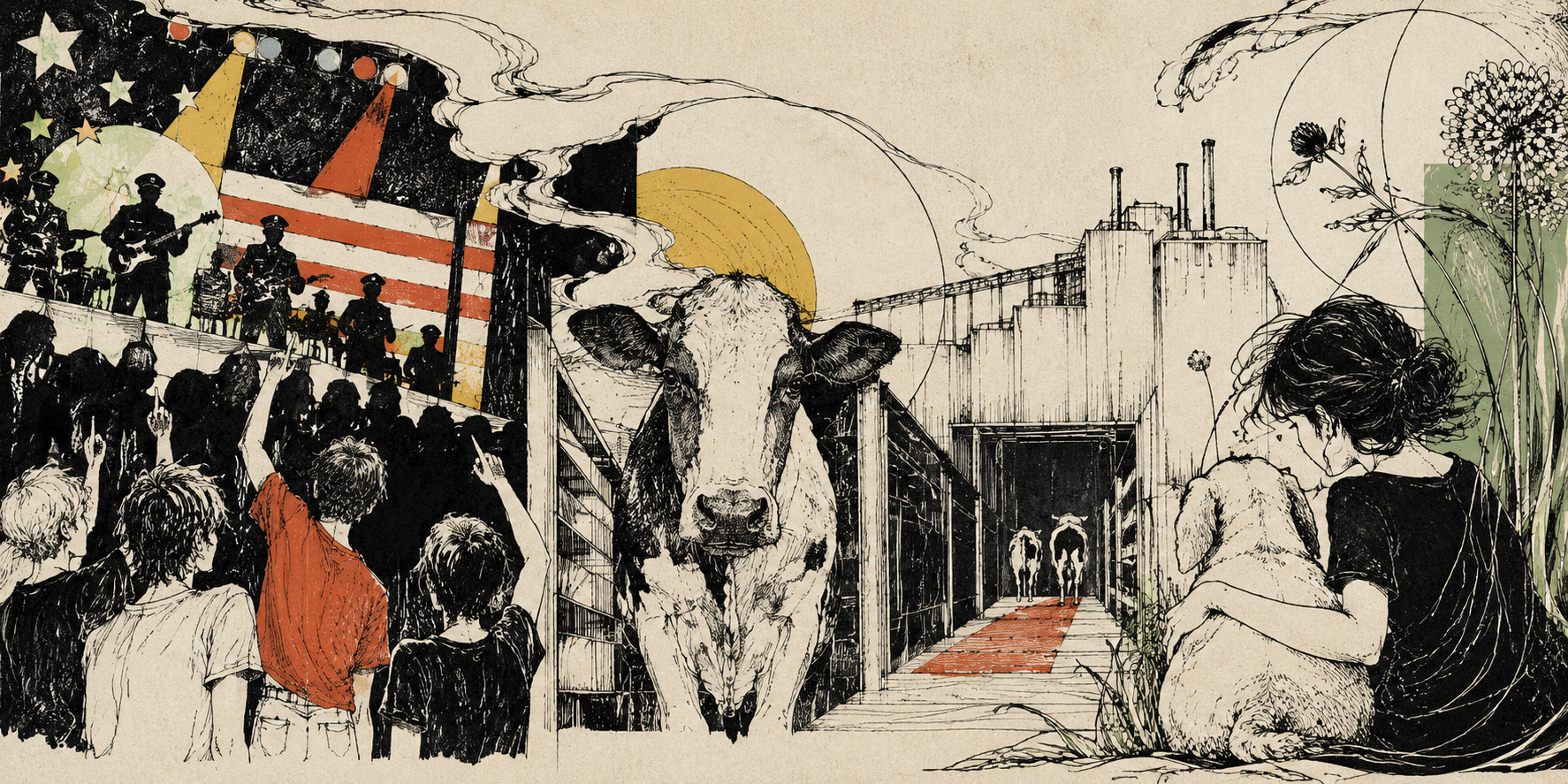
I grew up in Texas. I specifically remember in sixth grade, a “band” comprised of local police officers was performing at a school assembly, complete with police-like lights and a fog machine. They played the song “Proud to be an American,” and a kid who was very popular and “cool” was standing on the gym … Read more